
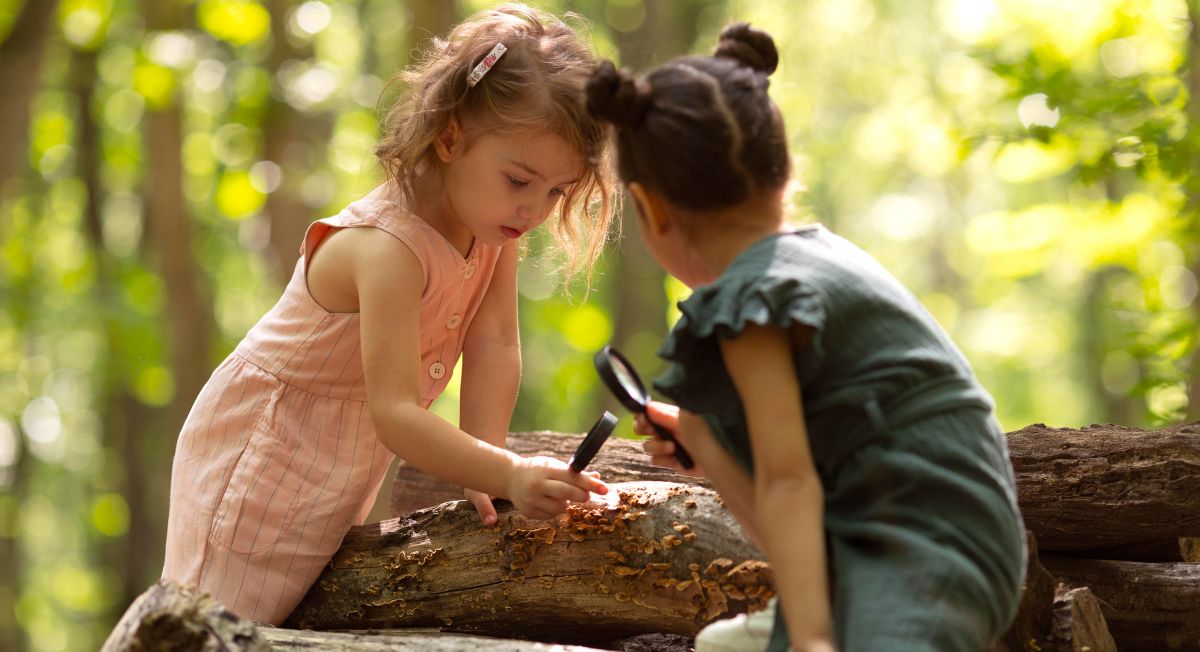
On April 22nd, the world turns its attention to a crucial cause: the preservation of our planet. World Earth Day is an opportunity to reflect on the impact of our actions on the environment and to renew our commitment to protecting natural resources, preserving the environment, and promoting the sustainability of the Earth. This year, we want to highlight the fundamental role of children and students in this commitment and how educators and teachers can be agents of change through the use of numerous educational resources.
The commitment of new generations
Future generations have a fundamental role to play in protecting our planet. For this reason, we must emphasize the importance of cultivating environmental awareness and a commitment to preserving the environment in our children and students from an early age. By teaching children about the importance of nature, natural resources, and the sustainability of the Earth, we are empowering them to be responsible citizens and to make informed decisions in the future.
It is essential that children understand that small individual actions, such as saving water, recycling, reducing energy consumption, and planting trees, have a significant impact on the environment. By promoting a culture of respect and care for nature from an early age, we are shaping behaviors that can make a difference in the long run.
The role of educators and teachers
Educators and teachers have a crucial role in shaping a generation that is aware of and committed to preserving the planet. They have the power to inspire, educate, and empower students to become active advocates for the environment. To achieve this, it is essential that they incorporate environmental and sustainability issues into their educational practices.
An effective way to promote children's and students' commitment to environmental protection is through the use of educational resources. These resources can include teaching materials, hands-on activities, research projects, visits to natural areas, and the integration of environmental themes into various curricular subjects.
In this sense, educators and teachers can:
- Organize hands-on activities, such as creating school gardens , where students learn about sustainable agriculture, the life cycle of plants, and the importance of biodiversity.
- Use audiovisual resources , such as documentaries and educational videos, to raise students' awareness of global environmental issues, such as climate change and ocean pollution.
- To promote the implementation of interdisciplinary research projects , where students can explore environmental themes from different perspectives, such as scientific, historical, economic, and social. These projects not only encourage research and critical thinking, but also promote awareness and student engagement in environmental issues.
- To leverage online resources , such as educational games, interactive apps, and virtual learning platforms, to make environmental education more engaging and accessible to students.
Conclusion
World Earth Day is an opportunity to renew our commitment to preserving our planet and to recognize the fundamental role of children and students in this process. By empowering future generations with the knowledge, skills, and values related to environmental protection, we are building a more sustainable and equitable future for all.
Educators and teachers play a vital role in this mission, and the use of educational resources is a powerful tool to promote children's and students' commitment to protecting the environment. By integrating environmental and sustainability issues into our educational practices, we are empowering students to become agents of change and contribute to a better world for future generations.
Check out all our articles here .
Follow all our news here .