
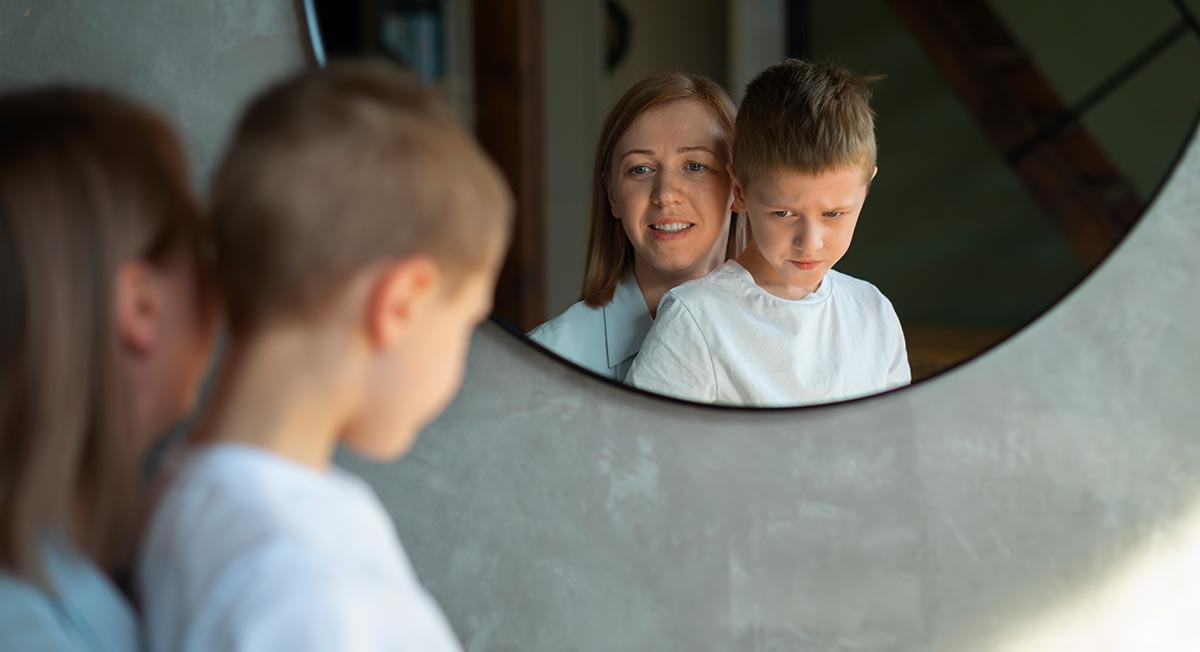
Education is not just about transmitting academic knowledge to students. It is also essential to promote the socio-emotional development of students. Socio-emotional growth is the foundation for success in life, as it empowers students to cope with real-world challenges and develop healthy relationships. In this article, we will explore the importance of socio-emotional growth in education and how educational activities can be a powerful tool to promote it.
What is emotional intelligence?
Before we delve into educational activities that promote socio-emotional growth, it's important to understand the concept of emotional intelligence. Emotional intelligence is the ability to recognize, understand, and manage emotions in a healthy and effective way. It involves skills such as empathy, self-awareness, emotional self-regulation, and social skills.
Emotional intelligence is just as important as academic intelligence. In fact, studies have shown that individuals with high emotional intelligence are more likely to succeed not only in school, but also in their professional and personal lives. Therefore, it is crucial that schools and educators consider emotional intelligence as an integral part of education.
The impact of educational activities on socio-emotional growth.
Educational activities have a significant impact on students' socio-emotional growth. By incorporating activities that promote emotional intelligence into the curriculum, educators can provide students with the necessary tools to develop their socio-emotional skills.
These activities may include personal reflection exercises, group games that encourage empathy and cooperation, community service projects that promote social responsibility, among others. By participating in these activities, students have the opportunity to practice recognizing and expressing their own emotions, as well as understanding and responding to the emotions of others.
Key components of social-emotional learning
Social-emotional learning involves several key components fundamental to the growth and development of students. These components include:
-
Self-awareness
Self-awareness is the ability to recognize and understand one's own emotions, as well as identify their triggers and behavioral patterns. By developing self-awareness, students can make more conscious and constructive decisions regarding their emotions.
-
Emotional self-regulation
Emotional self-regulation involves the ability to control and manage one's own emotions. This includes the ability to cope with stress, frustration, and conflict in a healthy and effective way. Emotional self-regulation allows students to maintain emotional balance, even in the face of challenges.
-
Empathy
Empathy is the ability to understand and share the emotions of others. It involves the skill of putting oneself in another's shoes and seeing the world through another person's eyes. Empathy is fundamental to developing healthy and constructive relationships.
-
Social skills
Social skills are necessary for interacting and relating effectively with others. This includes communication, conflict resolution, cooperation, and teamwork skills. Developing social skills helps students build positive relationships and handle social situations constructively.
Effective educational activities to promote socio-emotional growth.
There are several effective educational activities that can be implemented to promote the socio-emotional growth of students. Here are some suggestions:
-
Discussion circles
Discussion circles are a great way to promote emotional expression and empathy. Students gather in a circle and have the opportunity to share their thoughts and feelings about a given topic. This creates a safe and welcoming environment where students can express themselves freely and learn to listen to and understand the opinions of others.
-
Community service projects
Community service projects are a practical way to promote social responsibility and empathy in students. By engaging in projects that help others, students learn the importance of being active and responsible citizens. This also exposes them to different realities and perspectives, fostering understanding and empathy.
-
Cooperative group games
Cooperative group games are a fun and interactive way to promote social skills and teamwork. These games encourage students to communicate, collaborate, and solve problems together. By participating in these games, students learn the importance of cooperation and to value the contribution of each group member.
Resources and tools for educators to support socio-emotional growth.
To support the socio-emotional growth of students, educators can explore a variety of resources and tools. Here are a few suggestions:
-
Books and teaching materials that address emotional intelligence and social-emotional learning.
-
Professional development programs for educators interested in promoting emotional intelligence.
-
Organizations and professional networks that offer support and share best practices related to social-emotional learning.
-
Applications and online platforms that provide interactive activities and resources to promote emotional intelligence.
Challenges and overcoming barriers to the implementation of social-emotional learning.
Although social-emotional learning is a valuable approach in education, there are challenges and barriers that can hinder its implementation. Some of these challenges include lack of time and resources, resistance to change on the part of educators, and lack of adequate training. However, these challenges can be overcome with the commitment and appropriate support from stakeholders, including educators, parents, and school administration.
Conclusions: The long-term benefits of promoting socio-emotional growth in education.
Promoting socio-emotional growth in education not only benefits students in the short term, but also has long-term benefits. Students who develop socio-emotional skills are more likely to be successful in their personal and professional lives. They are more likely to build healthy relationships, cope with stress and challenges effectively, and have a positive impact on their communities. Therefore, it is crucial that schools and educators prioritize the promotion of socio-emotional growth and incorporate educational activities that cultivate students' emotional intelligence.