
The History of Halloween: Origins and Evolution of a Haunted Holiday
Halloween, also known as All Hallows' Eve, is one of the most popular autumn holidays, celebrated in many countries around the world. However, you've probably wondered where this tradition came from and how it has evolved over the centuries? In this article, we'll explore the history of Halloween, from its ancient roots to its transformation into a modern, commercial holiday.
Celtic Origins: Samhain
The history of Halloween dates back to the Celts, a people who inhabited areas of Great Britain, Ireland, and parts of France more than 2,000 years ago. For the Celts, October 31st marked the end of summer and the beginning of winter, a period associated with death and darkness. They called this festival Samhain, which means "end of summer".
Samhain was a time of transition, when it was believed that the spirits of the dead returned to Earth. To appease these spirits and ensure a successful harvest, the Celts lit bonfires and wore frightening masks to ward off evil spirits.
The Christian Influence: All Saints' Day
With the expansion of Christianity in Europe, the Catholic Church attempted to incorporate pagan traditions, making the transition between October and November more religious. All Saints' Day, also known as All Souls' Day, was created to honor all known and unknown saints and martyrs.
All Saints' Day was originally celebrated on May 13th, but in 835 AD, Pope Gregory IV changed the date to November 1st. This is believed to have been an attempt to Christianize the Celtic festival of Samhain, integrating the worship of saints with the tradition of honoring the dead.
Evolution in the United States: Trick-or-Treat and Jack-o'-Lanterns
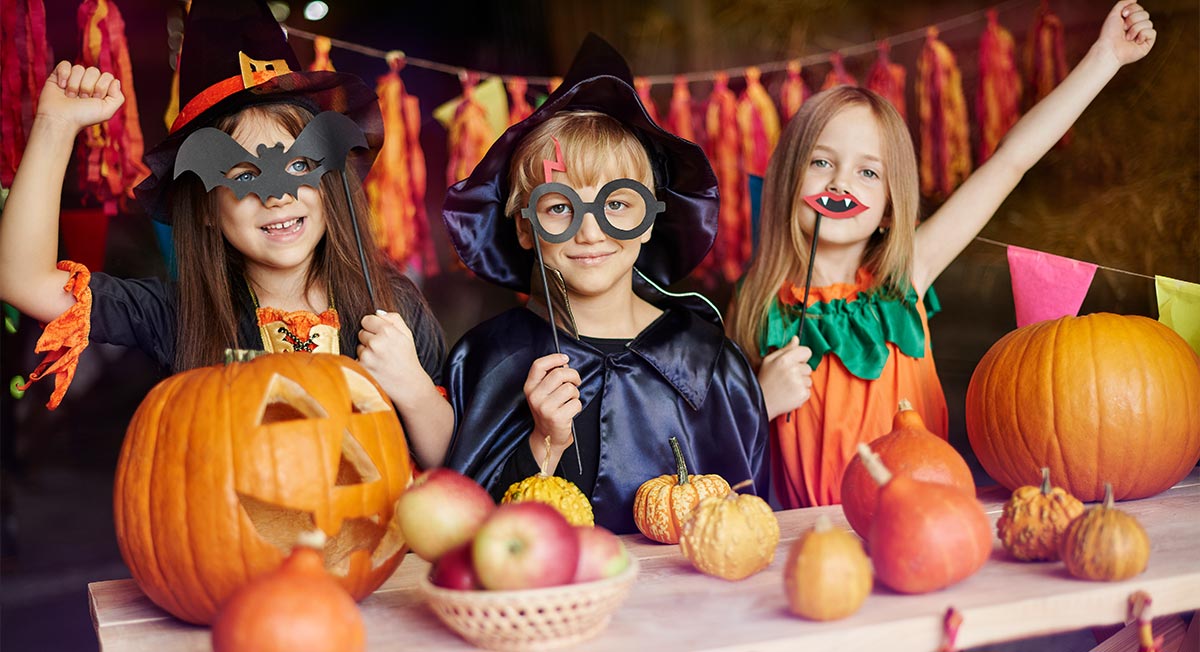
Halloween as we know it today began to develop in the United States in the 19th century. Irish immigrants brought their Halloween traditions, including the wearing of costumes and the tradition of "trick or treat," in which children went door-to-door asking for candy.
Another iconic element of Halloween is the carved pumpkin, known as the Jack-o'-lantern. The tradition of using pumpkins comes from an Irish legend about Stingy Jack, a man who tricked the devil and was not allowed into either heaven or hell. He was condemned to wander eternally, carrying a lantern made from a hollowed-out turnip.
When immigrants arrived in the United States, pumpkins were a more abundant and affordable alternative to turnips, and the tradition of Jack-o'-lanterns grew in popularity.
Marketing and Global Expansion
Throughout the 20th century, Halloween evolved from a cultural celebration into a commercial holiday. Stores began selling Halloween-themed costumes, decorations, and candy, making it one of the most lucrative holidays of the year.
Furthermore, Halloween has spread to many other countries around the world, gaining popularity in places as diverse as Japan and Australia. Traditions may vary, but the spirit of celebration, costumes, and candy remains constant.
Conclusion
The history of Halloween is a fascinating journey that takes us from ancient Celtic traditions to a modern global celebration. The fusion of cultures and traditions over the centuries has resulted in the celebration we know today, full of costumes, spooky parties, and lots of candy. As Halloween continues to evolve, one thing is certain: the fun and spirit of togetherness will continue to unite us each autumn, no matter where we come from.
Happy Halloween!