
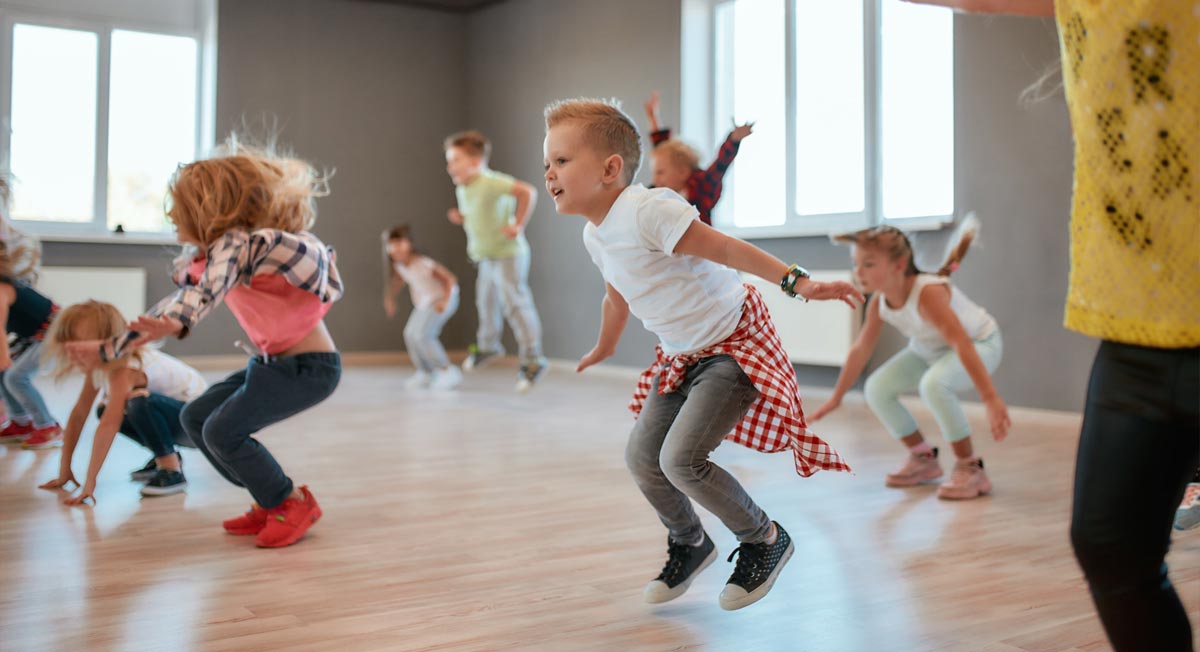
Throughout a child's development, body expression plays a vital role in the development of motor, social, and emotional skills. Among all forms of body expression, dance stands out as a powerful tool, allowing children to explore and communicate their emotions creatively. Furthermore, dance is an inclusive form of expression, welcoming children with different abilities, backgrounds, and cultures, thus promoting diversity and equality.
Exploring Emotions Through Dance
Dance offers children a unique channel to explore and express their emotions. By moving their bodies in response to music and rhythm, children can convey feelings of joy, sadness, anger, fear, and much more. This ability to express emotions nonverbally is crucial for children's emotional development, allowing them to understand and process their own feelings, as well as develop empathy and understanding for others.
Developing Motor Skills
Besides being a form of emotional expression, dance also contributes significantly to the development of children's motor skills. The coordinated and fluid movements required by dance help improve children's coordination, balance, flexibility, and muscle strength. These motor skills not only benefit dance performance but also have practical applications in other physical activities and in everyday life.
Fostering Social and Interaction Skills
The practice of group dance promotes social and interaction skills in children. By participating in dance classes or dance groups, children learn to work as a team, collaborate with others, and respect individual differences. They develop nonverbal communication skills, learning to read and interpret the body language of others, as well as express themselves clearly and assertively through movement.
Inclusion and Diversity in Dance
One of the most remarkable characteristics of dance is its ability to be an inclusive form of expression. Dance welcomes children of all abilities, backgrounds, and cultures, providing an environment where everyone is welcome and valued.
In dance, there are no linguistic or cultural barriers – only the universal language of movement and music, uniting children from different backgrounds in a shared experience of expression and creativity.
In short, dance plays a fundamental role in the physical, social, and emotional development of children. As a unique form of bodily expression, dance allows children to explore and communicate their emotions creatively. Furthermore, dance promotes motor, social, and interaction skills, while also fostering inclusion and diversity, celebrating individual differences and promoting equality. Therefore, it is crucial that we value and encourage the practice of dance in childhood, recognizing its transformative potential in children's lives.
Check out all our articles here .
Follow all our news here .