
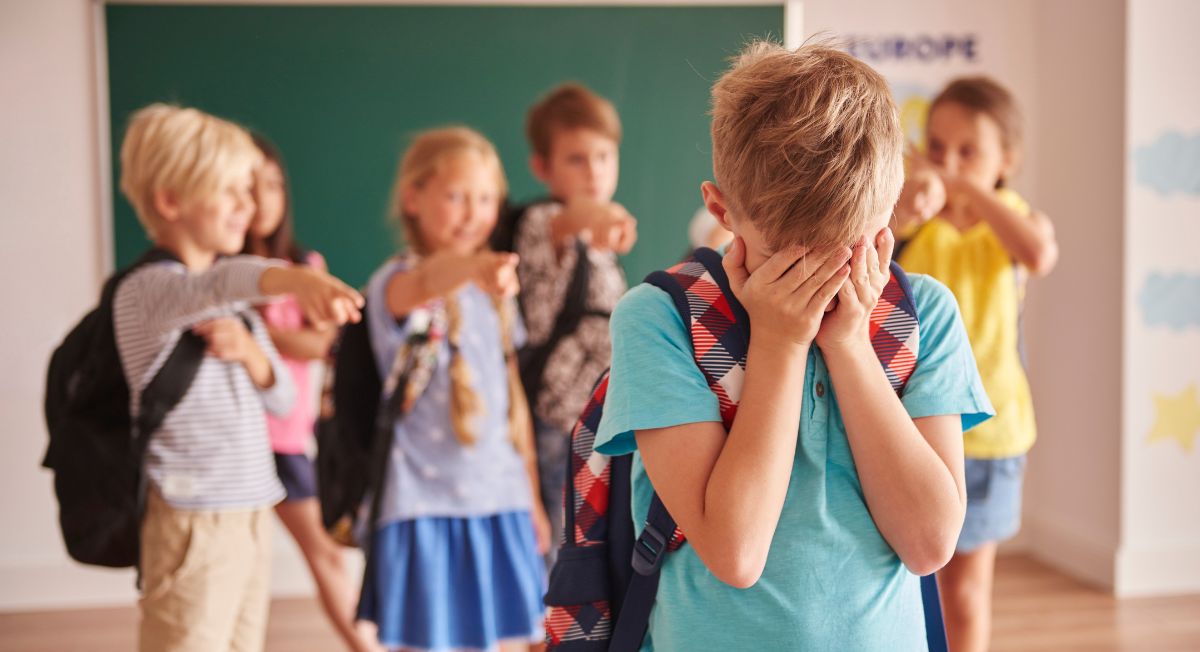
Learn about the emotional and social challenges faced by children with special needs.
Children with special needs face unique challenges in their emotional and social development.
In this article, we will explore these challenges and present strategies for dealing with these difficulties, as well as how parents can offer emotional support at home to promote the positive development of their children.
Emotional challenges: anxiety, self-esteem, and frustration.
- Anxiety: Anxiety is a constant and exaggerated worry about everyday situations. Children with special needs may experience high levels of anxiety. The pressure to adapt and meet the expectations of others can increase this anxiety, affecting their confidence and self-esteem.
- Self-esteem: Self-esteem is how a child sees and values themselves. For children with special needs, it is common to face feelings of inadequacy and low self-esteem.
- Frustration: The inability to perform certain activities like peers can generate feelings of helplessness and discouragement, affecting motivation and self-confidence.

Social challenges: social isolation, bullying, and lack of understanding.
- Social isolation: Social isolation is a common challenge faced by children with special needs. A lack of understanding and inclusion from their peers can lead to withdrawal and difficulty in establishing meaningful relationships. Feeling excluded can profoundly affect their emotional and mental well-being.
- Bullying: Unfortunately, children with special needs are more likely to be bullied. A lack of understanding of their needs can lead to discriminatory attitudes and hostile behavior from others. Bullying can cause emotional harm, affecting their social and emotional development.
- Lack of understanding: A lack of understanding and empathy from peers and even adults can create a hostile environment for children with special needs. Stigma and prejudice can hinder their social integration and affect their self-esteem.
Strategies for dealing with emotional and social challenges.
- Awareness and education: Promoting awareness and education about specific needs is essential to combat stigma and prejudice. This can be achieved through awareness campaigns in schools and the community, as well as educational programs that address diversity and inclusion.
- Emotional and professional support: Providing adequate emotional and professional support is essential to helping children cope with the challenges they face. Mental health professionals and multidisciplinary teams can work together to provide personalized therapy and support.
- Promoting inclusive environments: Schools and institutions can adopt policies and practices that promote inclusive and welcoming environments for all children. This includes adapting activities and teaching materials to meet the individual needs of each student.

How can parents help?
- Open communication: Maintaining open and honest communication with the child is essential to understanding their emotions and concerns. Allowing the child to express themselves freely helps strengthen the bond between parents and children.
- Encouraging achievements: Valuing and celebrating a child's achievements, no matter how small, helps build their self-esteem and self-confidence. Sincere praise reinforces their self-esteem and confidence.
- Create structured routines: Structured routines can help a child feel safe and organized, providing a sense of stability and control over their environment.
Check out all our articles here .
Follow all our news here .