
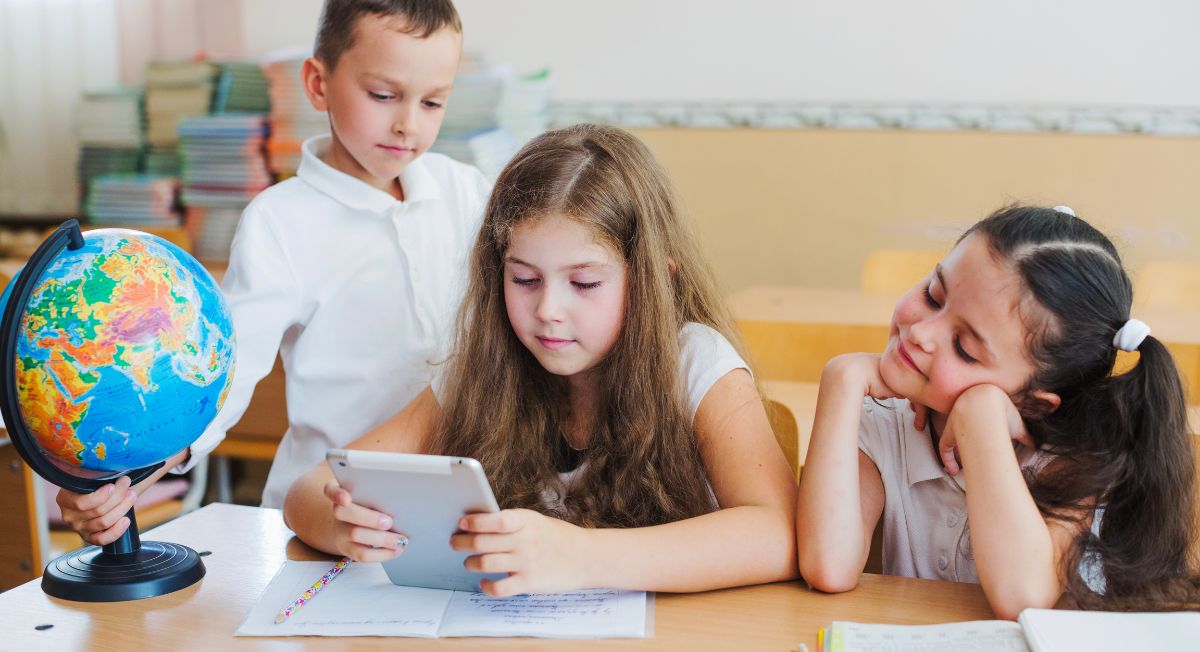
Social media is used daily by many people around the world. With the growing popularity of these online platforms, it is logical that they will also have an effect on education. Thus, the impact of social networks on education and student learning has been the focus of an intriguing debate in recent years. In this article, we will discuss various ways in which social networks can have a positive or negative impact on education, exploring how educators/teachers can leverage this new reality for modernized teaching.
Opportunities to learn together
One of the main ways in which social networks have a beneficial effect on education is by enabling people to work together to learn. Furthermore, social media platforms allow students to connect with each other, share ideas, discuss relevant topics, and work together on their academic projects. Students can communicate and exchange information through this online interaction, which helps them engage more deeply with the subjects studied and build a collective understanding.
Learning digital skills
In the digital age we live in, technological skills are increasingly valued. Therefore, social networks help students learn important digital skills such as virtual communication, critical thinking, information management, and group collaboration. Thus, students can improve their digital skills and be prepared for today's job market by actively engaging in social networks.
Problems and concerns
Despite the potential benefits, the use of social media in education also brings problems and challenges. The potential for students to lose focus is the main concern. Social networks can be very addictive and distract students from their studies. Furthermore, it is necessary for them to develop critical source evaluation skills, as the information shared on social media can be questionable.
Methodologies for the conscious use of social media in education.
In order to maximize the benefits of social media in education, educators can develop plans to encourage students to use them responsibly. Some methods include:
- -Digital media education: teaching students to critically evaluate information found on social media and helping them distinguish between reliable and unreliable sources.
- -Define clear rules: Define limits and expectations for the use of social media in the classroom.
- - Active interaction: Encourage students to participate in online educational communities and groups, where they can connect with people who share their interests.
- - Collaboration with parents: Working together with parents to alert them to the main problems and benefits of social media, with the aim of teaching children how to use digital platforms correctly and always ensuring adequate supervision.
Conclusion
In short, social networks are increasingly impacting student learning. While they may raise concerns, they have the capacity to promote collaboration, access to educational resources, and the development of digital skills. Teachers have a key role in teaching their students how to use social networks appropriately, helping them become digitally aware and competent citizens. It is possible to change the educational environment and create a more engaging and relevant learning experience for students by exploring the new opportunities offered by social media.
What do you think about social media? In your opinion, do digital platforms have a more positive or negative impact on student learning?
Tell us all about it in the comments.
Consult here all of our items.
Follow all our news here .