
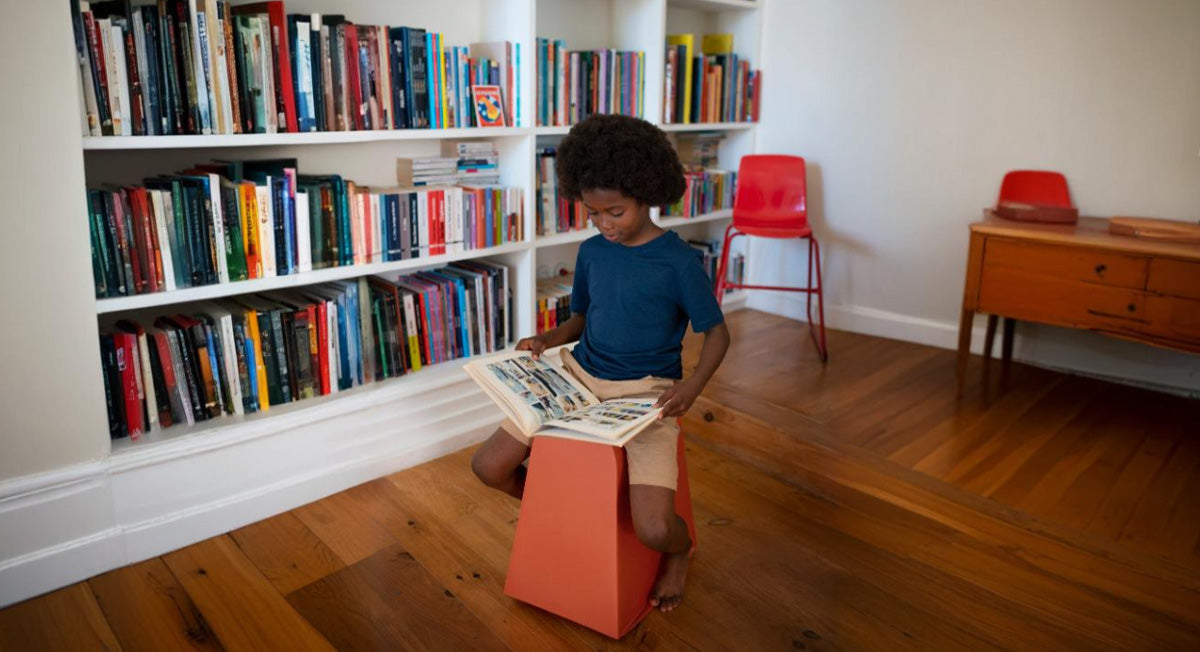
Early literacy is one of the fundamental pillars for children's development. It is during the first years of life that they build the foundations for reading, writing, and understanding the world around them. Parents, educators/ teachers, and libraries play crucial roles in this process, creating language-rich environments and stimulating an interest in knowledge.
This article explores strategies to foster early childhood literacy and highlights the importance of school libraries as key partners in this journey.
1. The Role of Parents and Educators in Child Literacy
Parents and educators are the primary facilitators of children's contact with language. Through playful and practical activities, it is possible to stimulate a love of reading and writing, helping young children build a positive relationship with books and words.
Strategies for Parents and Educators
The Impact of a Literary Environment
An environment rich in literary stimuli helps children see reading and writing as natural and enjoyable parts of life. Parents and educators who actively participate in this process create a solid foundation for children's future academic success.
2. The Role of School Libraries in Promoting Children's Literacy
School libraries are essential allies in promoting children's literacy. More than just places to store books, they should be seen as centers of active and exploratory learning, where children discover the joy of reading.
Library Strategies to Promote Child Literacy
The Impact of Libraries on Child Development
School libraries create a space where literacy goes beyond words. They transform reading into a social, emotional, and cultural experience, encouraging children's curiosity and autonomy.
Conclusion
Promoting literacy in childhood is a collaborative effort that requires the involvement of parents, educators /teachers, and libraries. Creating rich and engaging literary environments allows children to develop not only reading and writing skills, but also a love of learning.
Whether through a book read at home, a creative activity in the classroom, or a delightful visit to the library, each literary experience contributes to forming confident readers and more conscious citizens. Investing in children's literacy is investing in the future, one book and one story at a time.