
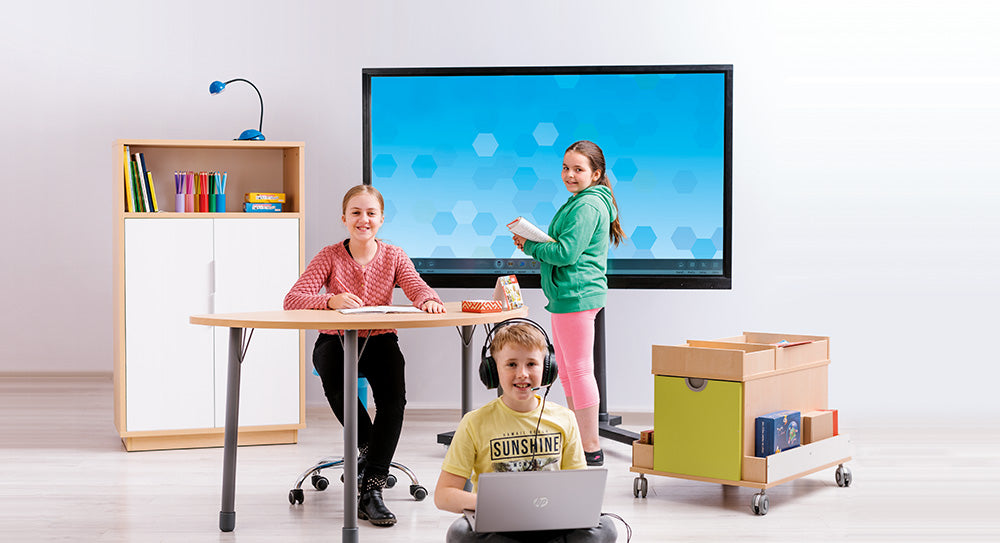
In the constantly evolving world we live in, the concept of education is also transforming. The schools of the future are not just educational institutions, but dynamic learning environments designed to meet the needs and expectations of new generations. In this context, the design of educational spaces plays a crucial role in promoting more effective teaching methodologies and creating an environment that stimulates curiosity, creativity, and collaboration. Let's explore how the innovative design of school spaces can impact learning and prepare students for a promising future.
The importance of physical space in learning.
Studies have shown that the physical environment in which students learn can significantly influence their academic performance and emotional well-being. Schools designed with flexible and adaptable spaces allow teachers to implement active methodologies, such as project-based learning and collaborative teaching. When students have access to environments that encourage interaction , exploration , and experimentation , they become more engaged and motivated to learn.
Elements of Educational Space Design
Flexibility and Adaptability
The educational spaces of the future must be flexible, allowing for different classroom configurations . Movable furniture, movable walls, and outdoor learning areas are some of the features that enable the space to be adapted to the needs of students and teachers. This flexibility is fundamental to promoting collaboration and active student participation.
Connection with Nature
Connecting with nature has a positive impact on learning. Schools that incorporate green areas, gardens, and outdoor spaces not only improve... Air quality is improved, but they also offer students opportunities to learn about the environment and develop a greater ecological awareness. Biophilic design, which seeks to integrate natural elements into the built environment, is a growing trend in the schools of the future.
Integrated Technology
Technology should be harmoniously integrated into the school environment. Classrooms equipped with digital tools, such as interactive whiteboards, tablets, and augmented reality resources, can enrich the learning experience and provide new opportunities for knowledge exploration. Furthermore, spaces for group learning , where technology is used to promote collaboration , can stimulate creativity and critical thinking.
Diverse Learning Environments
The schools of the future must offer a variety of learning environments that cater to different learning styles and paces. This includes quiet areas for individual study, collaborative spaces for group work, and creative environments for artistic activities. The diversity of spaces allows students to choose the environment that best suits their needs, providing a more personalized learning experience.
The role of teachers in transforming spaces.
Teachers play a crucial role in transforming educational spaces. By being empowered to use and adapt new environments, they can implement innovative teaching strategies that make the most of the space's design. It is essential that teachers receive ongoing training on best teaching practices and the effective use of available resources.
The impact on student learning and well-being.
When the design of educational spaces is strategically planned, a positive impact on student learning and well-being is observed. Stimulating environments that promote social interaction and exploration can increase student engagement, confidence, and commitment . Furthermore, design that considers student comfort and health, such as good lighting and acoustics, contributes to a more conducive learning environment.
Conclusion
The schools of the future must go beyond traditional teaching, embracing the design of educational spaces that foster innovation, creativity, and collaboration. By creating flexible environments integrated with nature and equipped with technology , we are not only preparing students for the challenges of the 21st century, but also promoting an education that values well-being and holistic development. Investing in the design of educational spaces is investing in the future of our children and young people and in building a more conscious society, prepared for the changes to come.
Let's embrace this transformation and create schools that inspire, motivate, and prepare new generations for a constantly evolving world.