
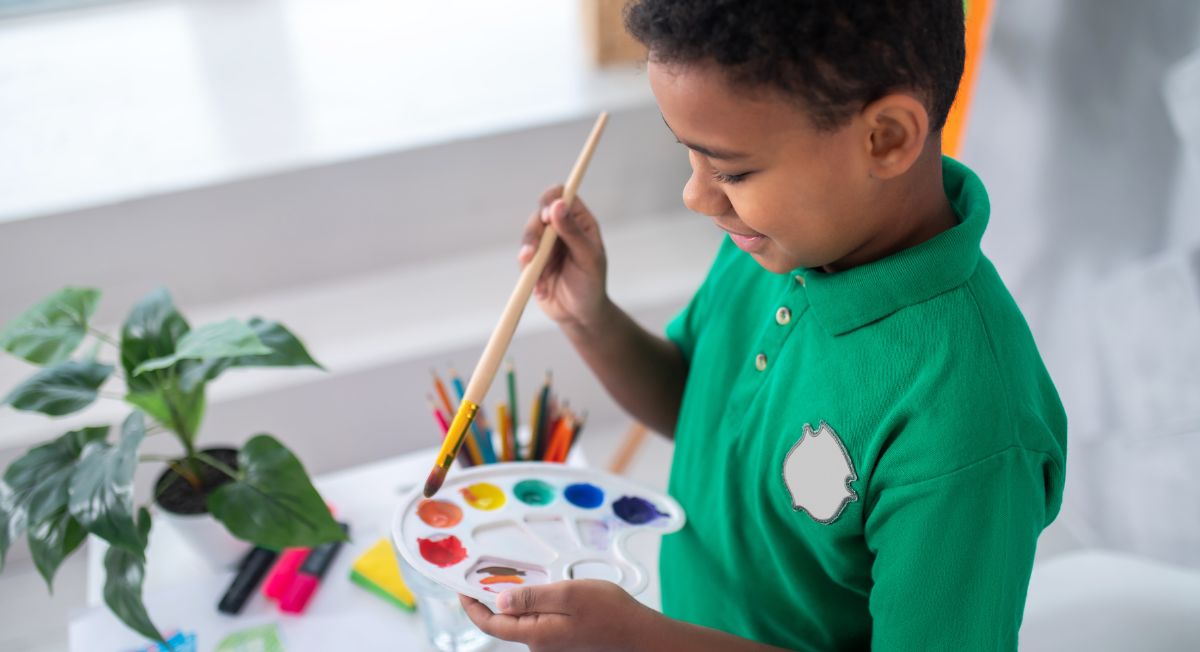
Art is a powerful form of expression that stimulates creativity, imagination, and personal development. Creating an art space at home or at school can offer children and students an environment conducive to exploring and developing their artistic skills, as well as expressing their emotions and experiences nonverbally. In this article, we will look at some tips and suggestions for creating an inspiring art space that encourages creativity and experimentation.
1. Choose the right location:
The first step in creating an art space is choosing the right location. At home, this could be a quiet, well-lit area, such as a corner of the living room or a space on the balcony. At school, a dedicated art area in the classroom or library might be ideal. Make sure the space is accessible and inviting for children.
2. Provide affordable painting materials:
Provide a variety of affordable and safe painting materials for children to explore. This can include non-toxic paints, brushes of different sizes and textures, colored pencils, crayons, markers, papers of different textures and colors, as well as recycled materials that can be reused in art, such as toilet paper rolls, bottle caps, and old newspapers.
3. Promote organization and cleanliness:
Keep the art space organized and clean, with all painting materials and art supplies properly stored and accessible. Use transparent containers or storage boxes to make it easy for children to see and access the materials. Encourage children to help organize and clean the space after each art session.
4. Encourage creativity and experimentation:
Encourage children to freely explore painting materials and experiment with different techniques and artistic styles. Allow them to make their own choices and creative decisions during the creation process. Offer suggestions and inspiration, but avoid imposing rigid rules or expectations about the final result of the artwork.
5. Create an inspiring environment:
Decorate the art space with inspiring artwork, colorful posters, themed murals, and art samples from different cultures and eras. Additionally, add easels to display children's artwork in a stylish and prominent way, encouraging appreciation and contemplation of their creations.
Create a welcoming and stimulating environment that sparks children's imagination and curiosity, encouraging exploration and artistic expression.
6. Promote the sharing and appreciation of art:
Create opportunities for children to share their artwork with others, whether through school exhibitions, virtual galleries, or gifts for friends and family. Encourage appreciation and mutual respect for each child's artistic work, regardless of the final result.
Conclusion:
Creating an art space at home or at school is a powerful way to stimulate children's creativity, self-expression, and personal development. By providing accessible painting materials, promoting creative experimentation, and creating an inspiring environment, we can help children discover the joy and magic of art in their lives. May each brushstroke be an adventure and each artwork a celebration of the imagination and beauty that resides within every child.
Check out all our articles here .
Follow all our news here .