
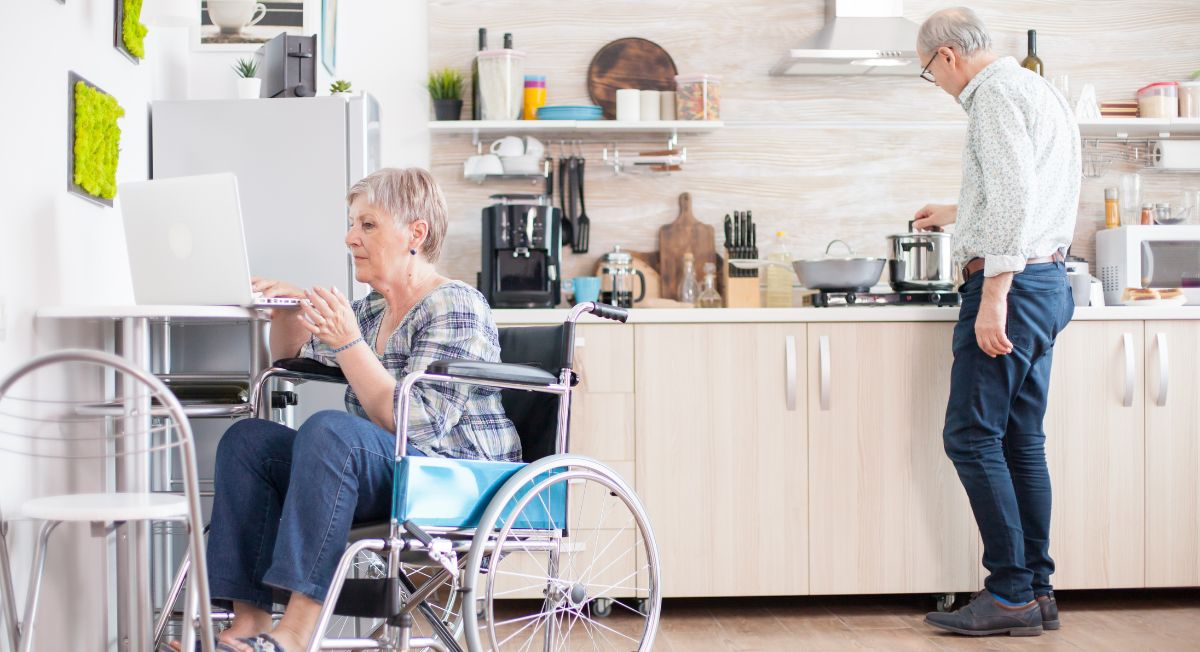
As the world's population ages, the issue of accessibility for the elderly becomes increasingly relevant. Older adults face a number of challenges regarding accessibility in public spaces, which can have a significant impact on their quality of life and independence. In this article, we will explore the challenges faced by older adults in relation to accessibility and discuss ways to make environments more age-friendly.
Accessibility challenges for the elderly
Older adults often face difficulties navigating public spaces due to a variety of physical and social barriers. Narrow and uneven sidewalks, stairs without handrails, lack of access ramps, inadequate public transportation, and lack of accessible restrooms are just some of the common challenges older adults face daily. These barriers can not only limit their mobility but also affect their independence and self-esteem.
Impact on quality of life
Lack of accessibility can have a significant impact on the quality of life of older adults. Feeling unable to access essential public spaces, such as parks, shops, and health centers, can lead to social exclusion and isolation. Furthermore, the inaccessibility of public spaces can increase the risk of falls and injuries among older adults, further compromising their health and well-being.
Promoting accessibility for all ages.
It is essential to adopt a comprehensive approach to promoting accessibility in public spaces, making them more age-friendly. This includes implementing practical measures and raising community awareness about the importance of inclusion and equal access.
Improvement of urban infrastructures
One of the most effective ways to promote accessibility is to improve urban infrastructure. This can include installing wider and level sidewalks, access ramps at all public entrances, adequate pedestrian signage, and the installation of elevators in public transport stations. Furthermore, it is crucial to ensure that public spaces are designed taking into account the needs of all age groups and abilities.
Awareness and education
Community awareness and education also play a key role in promoting accessibility. Awareness campaigns about the challenges faced by older adults and the importance of creating inclusive environments can help change attitudes and behaviors. Furthermore, training programs for professionals working in public spaces can help ensure that all individuals are treated with respect and dignity.
Collaboration and community participation
Finally, it is essential to promote collaboration and community participation in promoting accessibility. This involves listening to the concerns and suggestions of older adults and their families, actively involving them in the planning and decision-making process. By working together, we can create more inclusive and welcoming communities for people of all ages and abilities.
In short, the accessibility challenges faced by older adults in public spaces are an important issue that deserves everyone's attention and action. By promoting accessibility and creating more age-friendly environments, we can ensure that older adults can enjoy a full, independent, and participatory life in their communities.
Check out all our articles here .
Follow all our news here .