
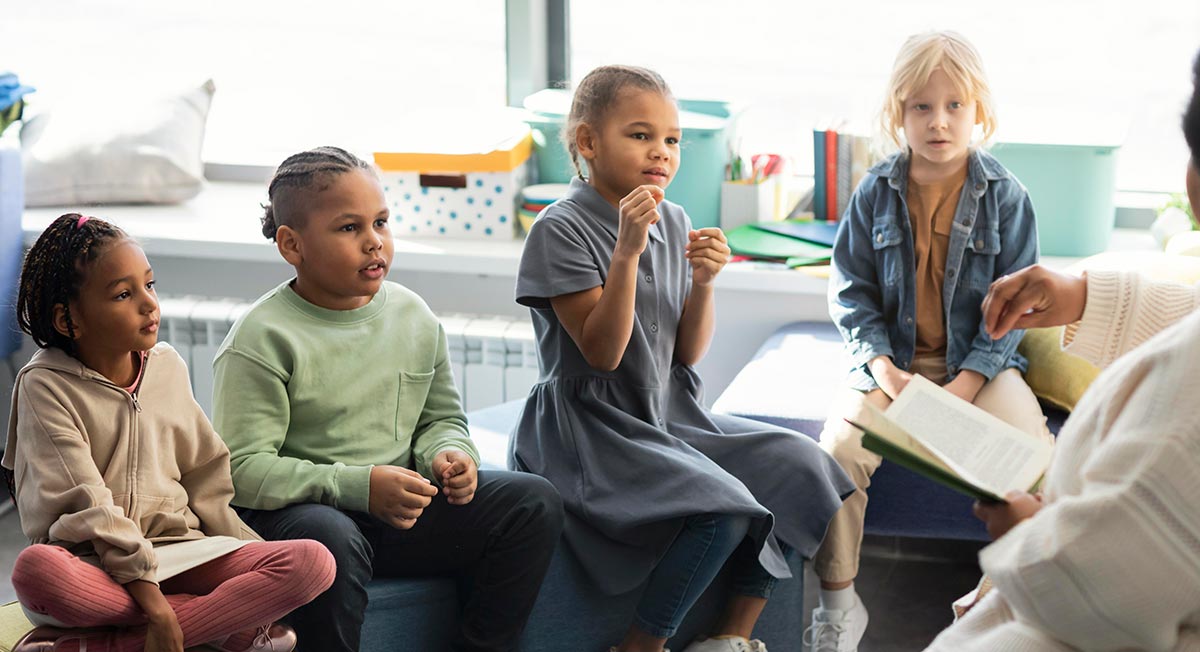
We live in an increasingly interconnected world, where diversity is an undeniable reality. However, to ensure that this diversity is celebrated and respected, it is crucial that we cultivate values such as tolerance and respect in young people from an early age.
This article will explore the importance of educating children about diversity and provide practical strategies for incorporating these values into the educational environment.
Understanding diversity: a foundation for tolerance.
Before we teach children about tolerance, it's essential that they understand diversity. This goes beyond simply recognizing differences; it involves a deeper understanding of the diverse backgrounds, experiences, abilities, and perspectives that each individual brings. Furthermore, incorporating activities that highlight and celebrate this diversity can create a solid foundation for tolerance.
Promoting empathy: putting yourself in someone else's shoes.
A powerful tool in building tolerance is empathy. Encouraging children to put themselves in others' shoes, to understand the emotions and challenges faced by their peers, and to create stronger bonds of understanding is fundamental for younger children to develop empathy.
Simple exercises, such as reading and dramatizing stories about fictional characters from different backgrounds, can be incorporated into classroom activities.
Inclusion in the school environment: where everyone is welcome.
Creating an inclusive school environment is fundamental to promoting tolerance. Therefore, this implies that policies and practices ensure all children feel valued, regardless of their background, religion, gender, or abilities. Encouraging the active participation of everyone in school activities and events creates a sense of solidarity.
To foster communication about differences.
Opening channels for open dialogue about diversity is crucial. Encouraging classroom discussion on topics related to diversity can help dispel stereotypes and prejudices. Furthermore, inviting speakers who represent different groups is an effective way to enrich students' understanding of diversity.
Modeling by example: educators and teachers as agents of change.
Educators play a central role in shaping children's attitudes. Modeling tolerant and respectful behaviors creates an environment conducive to these values flourishing. Training initiatives that empower educators and teachers to address issues of diversity effectively are essential.
In short, by educating children about the importance of tolerance and respect for diversity, we are investing in the future of a more inclusive and harmonious society. Through practical strategies, open dialogue, and behavioral modeling, we can shape young minds to become agents of change in a diverse world. Promoting these values is not just an educational responsibility, but a fundamental commitment to building a world where everyone is respected and accepted.
Check out all our articles here .
Follow all our news here .