
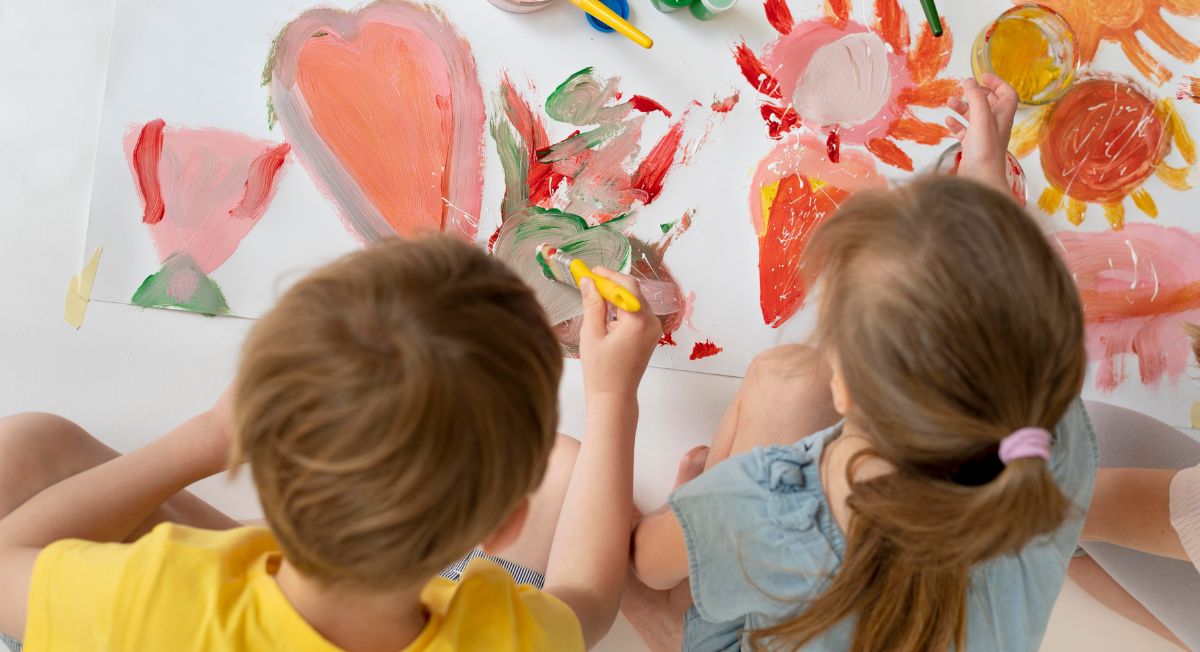
Art therapy is a therapeutic approach that uses artistic expression as a means to promote emotional and psychological well-being. In an educational context, art therapy can play a fundamental role in the school and social inclusion of students, addressing epistemological, conceptual, and pedagogical problems that may hinder the proper development of learning. This article explores how art therapy can act in these areas and presents didactic-pedagogical tools to facilitate the exploration of the creative potential of children and adolescents.
Art Therapy and School and Social Inclusion
Epistemological issues: Art therapy offers an alternative approach to knowledge and learning, going beyond traditional methods based on logic and reason. Through artistic expression, students can explore and understand concepts intuitively and emotionally, allowing for a deeper connection with knowledge. This is especially important for students who may not adapt well to traditional teaching methods.
Conceptual issues: Art therapy allows students to express their ideas and feelings non-verbally, which can be particularly helpful for those who have difficulty expressing themselves through written or spoken language. This facilitates the understanding of abstract and complex concepts, as students can visualize and manipulate these concepts through art.
Pedagogical issues: The inclusion of Art Therapy practices in the school curriculum promotes a more inclusive and diverse learning environment. Art Therapy recognizes and values the different forms of expression and learning of students, providing a safe and welcoming space where everyone can participate and feel valued. This helps to reduce the exclusion and marginalization of students with learning difficulties or specific needs.
Teaching and Learning Tools of Art Therapy
Drawing and painting: These activities allow students to express their feelings and thoughts visually. The process of creating art can help relieve stress and anxiety, promoting a calmer and more focused learning environment. Teachers can use these activities to assess students' emotional state and identify potential issues that may be affecting their academic performance.
Clay modeling: Clay modeling is a tactile activity that can help students develop fine motor skills and improve their concentration. Furthermore, the three-dimensional nature of clay allows students to explore spatial and geometric concepts in a practical and concrete way.
Theater and dramatization: Theater offers students the opportunity to explore different roles and perspectives, promoting empathy and mutual understanding. Dramatizing real or imaginary situations can help students develop social and problem-solving skills, as well as improve self-confidence and verbal communication.
Music and dance: Music and dance are powerful forms of expression that can help students release repressed emotions and connect with others in meaningful ways. These activities promote motor coordination, memory, and creativity, as well as creating a sense of community and belonging among students.
Art journal: Encouraging students to keep an art journal can be a valuable tool for self-reflection and self-awareness. Students can use drawings, collages, and writing to document their thoughts, feelings, and experiences, helping them process complex emotions and develop a deeper understanding of themselves.
Conclusion
Art therapy, in an educational context, offers an innovative and inclusive approach to addressing the epistemological, conceptual, and pedagogical issues that shape the school and social inclusion of students. By incorporating didactic-pedagogical tools based on artistic expression, teachers can help children and adolescents overcome emotional obstacles that hinder the proper development of learning. In this way, art therapy not only enriches the educational environment but also promotes the emotional and social well-being of students, contributing to a more holistic and inclusive education.
Check out all our articles here .
Follow all our news here .