
Sensory stimulation plays a crucial role in children's development, influencing their perception of the world and their cognitive growth. From birth to adulthood, the human brain processes sensory information, shaping our understanding of and interaction with the environment. In this article, we explore some approaches and practical activities for sensory stimulation in different educational contexts, emphasizing the importance of nurturing all the senses from early childhood.
Why is sensory stimulation essential in early childhood education?
Before we delve into practical approaches and activities, it's essential to understand why sensory stimulation is so important in early childhood education. In the first years of life, children's brains are in a critical period of development, forming fundamental neural connections that can impact their ability to learn. Through appropriate sensory stimulation, children explore the world around them, acquiring supporting information for understanding concepts and developing motor skills.
Examples of approaches to sensory stimulation in school settings
Environments rich in textures and colors : Creating a school environment with a variety of materials, such as rugs, curtains, sensory resources and toys, and colorful elements on the walls, helps stimulate children's sense of touch and sight. They will be able to touch, feel, and experience different textures, as well as be exposed to an enriching color palette.
Outdoor exploration : Contact with nature is a powerful source of sensory stimulation. Outdoor walks in parks or gardens allow children to interact with different elements, such as grass, soil, trees, and flowers, activating their senses, such as sight, touch, and smell.
Music and sounds : Hearing is one of the most powerful senses for sensory stimulation. Introducing children to different musical styles and environmental sounds, through musical instruments or pre-recorded music, helps develop their auditory sensitivity and ability to perceive sound.
Practical activities for sensory stimulation.
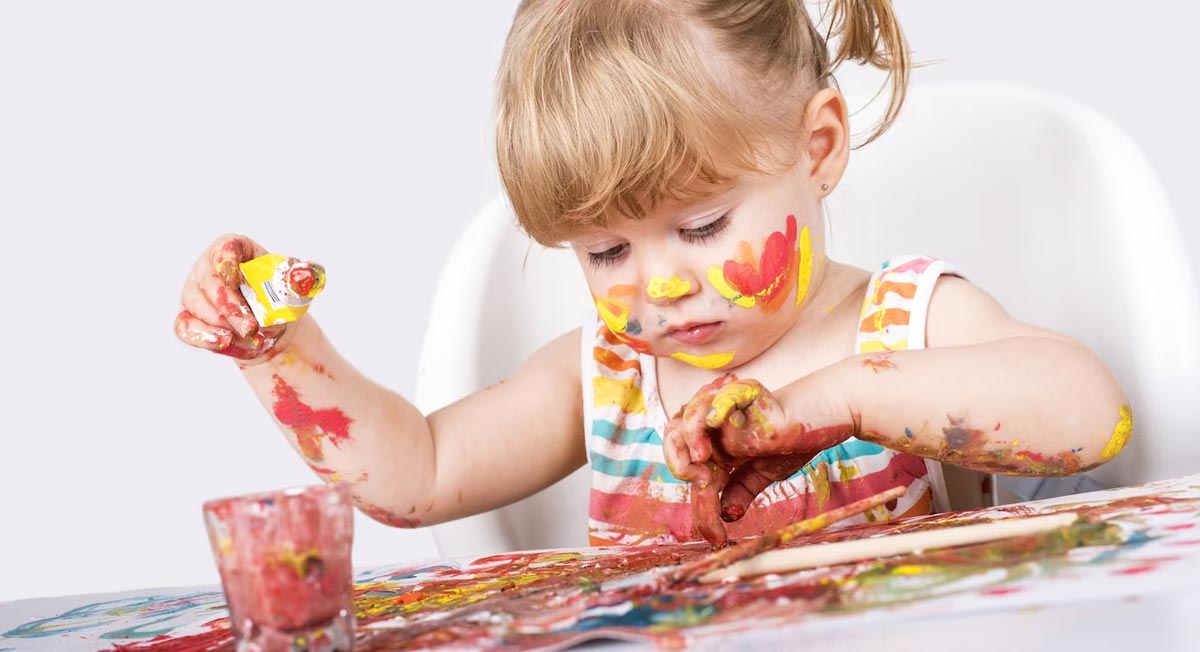
Finger painting : This artistic activity allows children to explore different textures and colors while developing fine motor skills.
Sandpit or modeling clay : Playing with sand or modeling clay is a great way to stimulate children's sense of touch and creativity.
Auditory Identification Games : Use objects that produce different sounds and create an auditory identification game. This game allows children to develop their hearing and pay closer attention to detail.
Water experiences : Playing with water allows children to explore different temperatures and sensations, stimulating their senses of touch and thermosensitivity.
Adapting sensory stimulation to different needs
It is important to emphasize that each child is unique and may have different sensory stimulation needs. Some may prefer calmer environments with fewer stimuli, while others may thrive in more sensorially rich environments. Educators should be attentive to individual emotions and sensitivities, adapting activities to the specific needs of each child.
Conclusion
In short, sensory stimulation is an essential aspect of early childhood education, as it shapes how children interact with the world around them. By creating school and home environments rich in sensory stimuli, educators/parents can help in the cognitive and emotional development of children. Sensory experiences in childhood not only nurture intellectual growth but also enrich children's journey to becoming curious, perceptive, and creative adults.
Check out all our articles here .
Follow all our news here .