
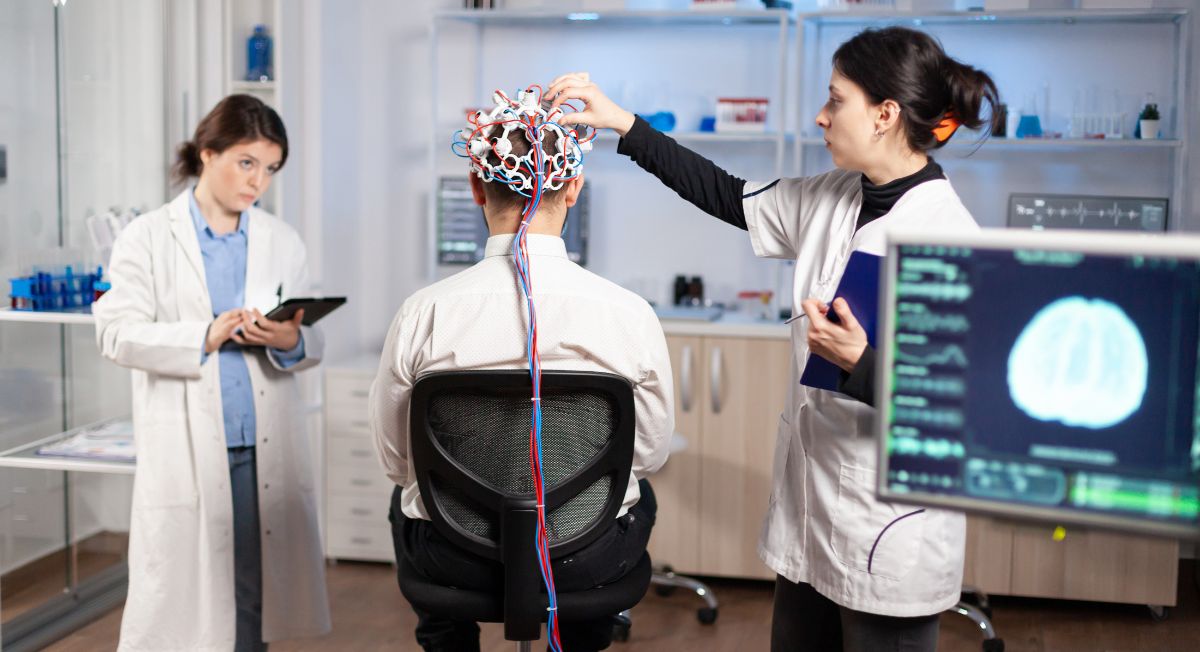
On this World Science Day, it's a fitting time to delve into the fascinating world of neuroscience applied to education. How can brain science illuminate the path to learning?
In this article, we will explore how insights from neuroscience can revolutionize the educational process, providing a deeper understanding of how students' brains work.
The fundamentals of neuroscience in education
Before we explore the application of neuroscience to learning, it is essential to understand how students' brains operate.
From memory processes to synaptic connections, neuroscience sheds light on cognitive processes, revealing learning patterns and enabling more effective approaches.
The importance of cognitive individuality: every brain is unique.
Neuroscience highlights the uniqueness of each brain, emphasizing the diversity in learning styles. Understanding and respecting these individual differences is essential for adapting teaching methods, promoting a personalized approach that enhances each student's unique abilities.
Evidence-based teaching strategies: the role of neuroscience in pedagogical practice.
By integrating neuroscientific findings into the classroom, teachers can develop more effective teaching strategies.
From using teaching techniques that stimulate brain plasticity to incorporating rest breaks to improve retention, neuroscience offers practical guidance for evidence-based pedagogy.
Thus, we present some examples of evidence-based teaching strategies, many of which are enhanced by research in cognitive neuroscience:
Active learning:
- Encourage group discussion.
- Carry out practical activities and experiences.
- Implement problem-solving as an integral part of the learning process.
Space for recovery:
- Introduce regular reviews and practical tests.
- Using spaced repetition techniques to stimulate learning over time.
Multisensory teaching:
- Incorporate visual, auditory, and tactile materials.
- Using videos, charts, and practical predictions to enhance concepts.
Metacognition and reflection:
- To promote self-reflection on the learning process.
- Encourage students to set goals, monitor their own progress, and adjust study strategies as needed.
Personalized teaching:
- Adopt approaches that recognize and respond to the different needs and learning styles of students.
- Using adaptive educational technologies to personalize content according to individual pace and abilities.
Constructive feedback:
- Provide specific and constructive feedback.
- Incorporate self-assessment and peer assessment as feedback tools.
Neuroplasticity as an ally: how the brain adapts and grows
One of the most inspiring concepts in neuroscience is neuroplasticity, which reveals the brain's ability to adapt and grow. This characteristic has profound implications for learning, indicating that the educational environment can certainly shape students' brains, providing continuous opportunities for development.
Check out all our articles here .
Follow all our news here .