
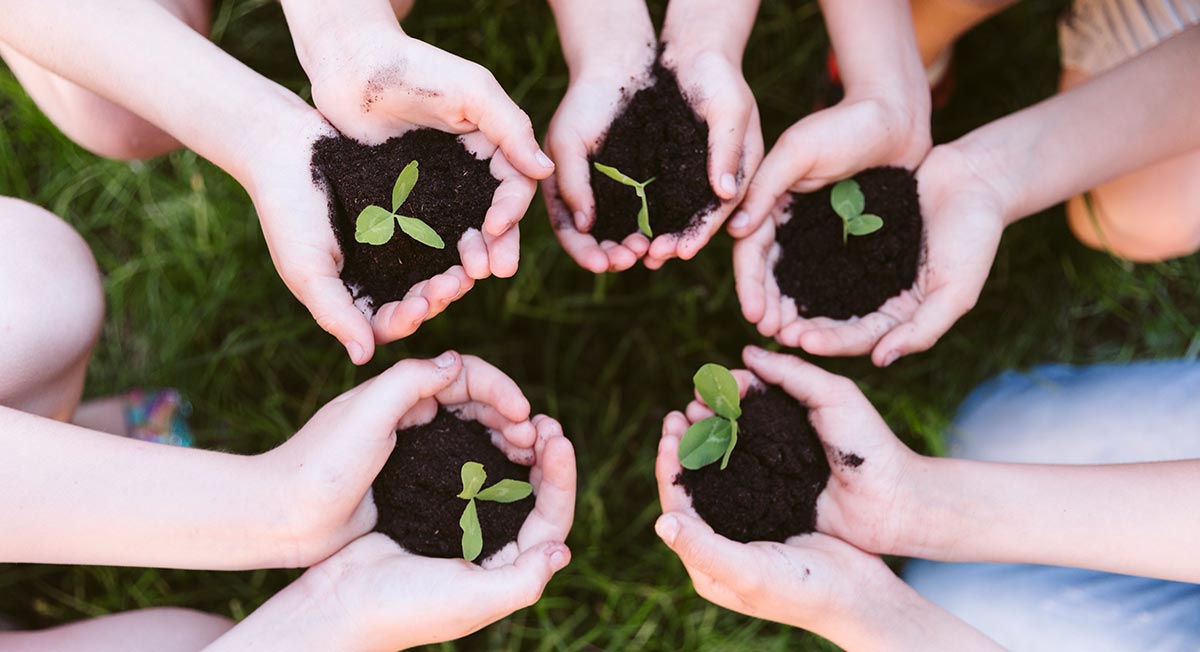
Environmental education is a fundamental tool for teaching children about the importance of caring for our planet. By providing children with a solid understanding of environmental issues, we can empower them to become responsible and conscious citizens. In this article, we will discuss the importance of environmental education for children and how it can be integrated into school programs.
The benefits of environmental education for children
Environmental education offers a range of benefits for children. By learning about the environment, they develop a sense of responsibility and empathy towards nature. This can lead to greater respect for natural resources and an understanding of how their own actions can affect the environment. Furthermore, environmental education can help children develop skills such as critical thinking, problem-solving, and teamwork.
Statistics and research on environmental education
Statistics and research consistently show the benefits of environmental education for children. A recent study revealed that children who participate in environmental education programs are more likely to become adults involved in sustainable practices. Furthermore, children who have access to outdoor activities and hands-on learning about the environment perform better academically and are more likely to engage in conservation activities.
Integrate environmental education into school curricula.
An effective way to promote environmental education for children is to integrate it into school programs. This can be done by including study units on the environment in subjects such as science, geography, and even art and literature classes. In addition, schools can offer extracurricular activities related to environmental education, such as gardening clubs or conservation groups.
Outdoor learning activities for environmental education
Outdoor learning activities are an effective way to engage children in environmental education. Nature walks, excursions to national parks, and camping trips are valuable opportunities for children to learn about biodiversity, conservation, and the importance of preserving ecosystems. These hands-on activities help children develop a personal connection with nature and understand the importance of protecting the environment.
Teaching children about sustainability and conservation.
Teaching children about sustainability and conservation is essential to ensuring a sustainable future. This can be done through classroom discussions, research projects on current environmental issues, and involvement in community sustainability projects. By teaching children to reduce consumption, recycle, and reuse, they will learn the importance of taking action to protect the environment.
The role of parents and guardians in environmental education.
Parents and guardians play a crucial role in children's environmental education. They can encourage sustainable practices at home, such as energy saving, recycling, and gardening. Furthermore, by spending time outdoors with children, they can help create a personal connection with nature and teach them about the importance of caring for the environment. Parents can also support environmental education in schools by participating in meetings and events related to the subject.
Environmental education programs and resources
There are many programs and resources available to support environmental education for children. Non-profit organizations, museums, and national parks often offer specific educational programs for children. In addition, there are numerous online activities and materials that educators can use to teach about the environment. It is important to take advantage of these resources and opportunities to ensure that children have access to quality environmental education.
Creating a sustainable future through environmental education.
Environmental education plays a vital role in creating a sustainable future. By teaching children about the importance of protecting the environment, we are guiding them to become leaders and advocates for sustainability. As children grow into adults, they will carry with them the knowledge and values acquired during their environmental education, helping to create a more sustainable world for future generations.
Check out all our articles here .
Follow all our news here .