
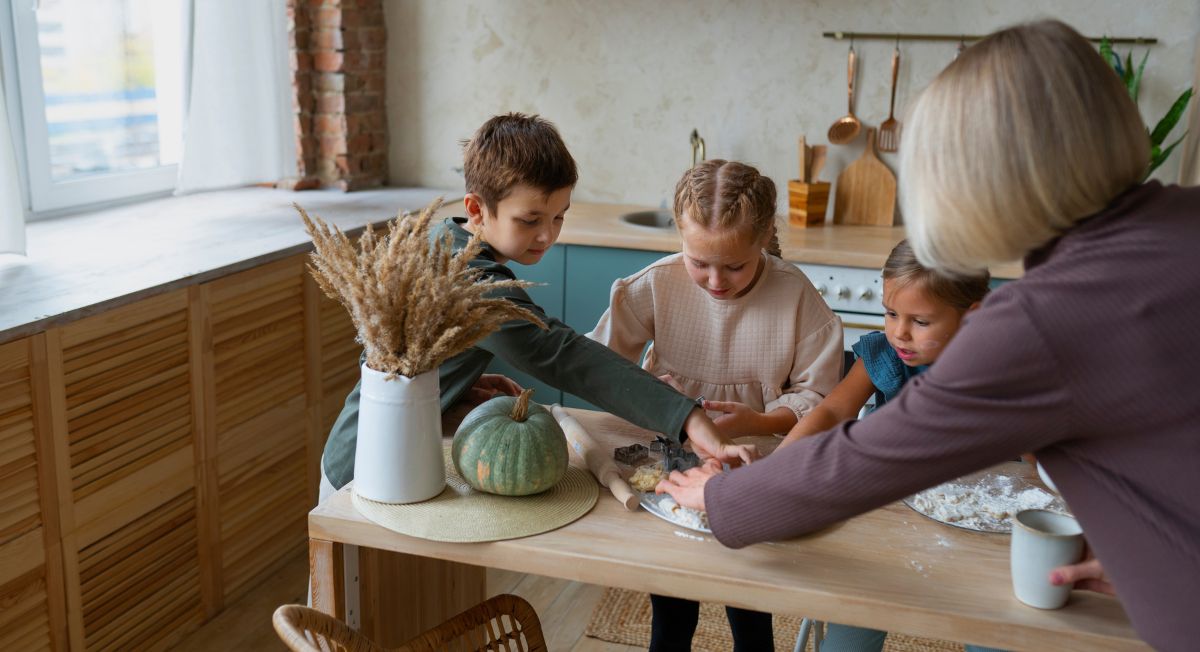
School holidays are a time of rest and fun for children, but they also represent an excellent opportunity to teach important life lessons, such as shared responsibility and collaborative work. Distributing household chores not only lightens the burden on parents but also significantly contributes to children's development, fostering essential skills for their personal and social growth.
Benefits of Task Distribution
-Development of Practical Skills: By involving children in household chores, they learn practical skills that will be useful throughout their lives, such as cooking, cleaning, and organizing.
- Promoting Responsibility: Assigning specific tasks to children helps cultivate a sense of responsibility. They begin to understand the importance of completing tasks and the impact of their actions on the family environment.
-Teamwork: Collaborating on household chores teaches children to work in teams, communicate effectively, and support others. These are valuable skills both at home and in school and future workplaces.
-Autonomy and Confidence: Successfully completing household chores increases children's confidence in their own abilities and promotes autonomy, encouraging them to face challenges with more confidence.
-Appreciating the Effort of Others: By participating in household chores, children come to value the efforts of their parents and other family members more, promoting an environment of respect and cooperation.
Strategies for Effective Task Distribution
-Planning and Routines: Establish a weekly routine with a list of tasks assigned to each family member. This helps create a sense of order and predictability, making it easier to fulfill responsibilities.
- Appropriate Task Assignment: Ensure that assigned tasks are appropriate to the children's age and abilities. Start with simple tasks, such as tidying up toys or helping to set the table, and gradually increase the complexity as they become more competent.
-Incentives and Rewards: Use positive incentives to motivate children. This can include praise, a small reward, or doing a fun family activity as a reward for good work.
-Participation in Decisions: Involve children in choosing the tasks they prefer to do. Giving them the opportunity to choose can increase their sense of commitment and enthusiasm.
-Teaching by Example: Parents should be role models when it comes to fulfilling chores. Demonstrating a positive and diligent attitude toward household responsibilities encourages children to follow suit.
Collaborative Activities During the Holidays
-Cooking as a Family: Plan cooking sessions where everyone participates in preparing meals. This activity is not only fun, but also teaches culinary skills and the importance of nutrition.
-Cleaning and Organization Projects: Take advantage of the holidays to tackle larger cleaning or organization projects, such as tidying your room, cleaning the garden, or reorganizing the garage. Breaking these tasks down into smaller steps can make the work more manageable and less overwhelming.
-Gardening: Gardening is an excellent collaborative activity that teaches patience, care, and the importance of the environment. Planting flowers, herbs, or vegetables can be an educational and rewarding experience.
-Home Maintenance: Performing small repairs or DIY projects together not only improves the home, but also teaches practical skills and strengthens family bonds.
-Planning Family Events: Involve children in planning and preparing family events, such as parties, picnics, or trips. This process teaches organization, time management, and teamwork.
Conclusion
Sharing household chores during school holidays is a practice that brings numerous benefits to children and family dynamics. By promoting shared responsibilities and collaborative work, children develop essential life skills, learn to value the efforts of others, and strengthen family bonds. Therefore, take advantage of this period to teach valuable lessons and create a harmonious and cooperative environment at home.
Check out all our articles here .
Follow all our news here .