
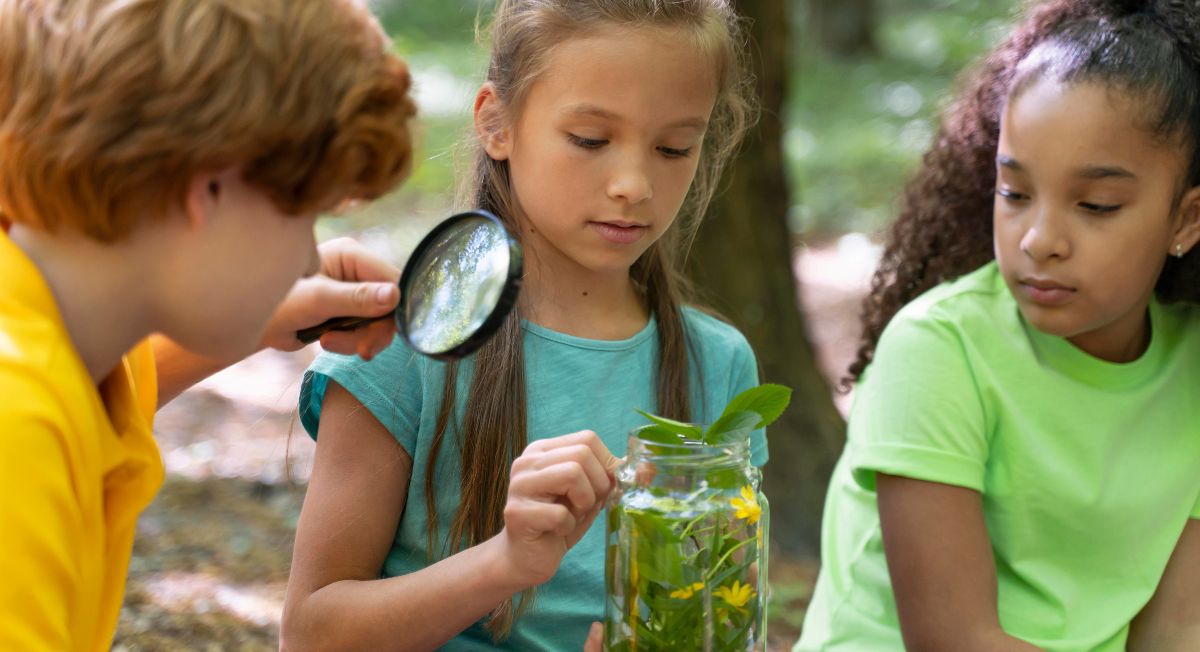
Education plays a fundamental role in shaping future generations who are aware and responsible towards the environment. Thus, through educational practices focused on sustainable development, it is possible to cultivate environmental awareness from an early age, preparing young people to face challenges and promote sustainability in their lives. In this article, we will explore some effective educational practices that can be implemented in schools to promote sustainable development.
Integration of environmental content
One of the most effective ways to promote environmental awareness involves integrating environmental content into different subjects in the school curriculum. In this way, students understand the connection between environmental issues and traditional areas of study, such as science, geography, mathematics, and others. For example, mathematics can be used to analyze data related to pollution, while geography can explore the impacts of climate change in different regions.
Creation of green spaces and school gardens.
Creating green spaces in schools, such as gardens and vegetable gardens, offers students the opportunity to learn in practice about sustainable agriculture, biodiversity conservation, and the responsible use of natural resources. Furthermore, these spaces provide a conducive environment for outdoor activities, promoting students' connection with nature.
Awareness programs
Awareness programs are essential to promote the active participation of students in projects related to sustainable development. These programs can include lectures, research projects, and awareness campaigns on environmental issues. Thus, by engaging students in practical and challenging activities, they are encouraged to become agents of change and adopt sustainable behaviors in their daily lives.
Partnerships with the community
Establishing partnerships with local and community organizations involved in sustainability is an effective way to broaden the impact of educational practices. These partnerships can provide students with opportunities to participate in field projects, study visits to environmental preservation sites, or even collaborate on scientific research. Furthermore, partnerships can provide resources and experts that enrich educational activities related to sustainable development.
Use of technology and digital resources
Technology plays an increasingly important role in contemporary education. By incorporating digital resources, such as apps, online platforms, and educational games, educators can engage students in an interactive and stimulating way. Furthermore, numerous tools and materials are available that address environmental topics, allowing students to explore complex concepts in a playful and accessible manner.
Conclusion
In short, promoting educational practices focused on sustainable development is essential to building a more conscious and responsible future in relation to the environment. Thus, by integrating environmental content, creating green spaces, and other sustainable practices, schools can play a fundamental role in shaping young people committed to sustainability. By investing in environmental education, we are investing in a more sustainable future for all.
Consult here all of our items.
Follow all our news here .