
Christmas is a time for gatherings and celebrations, where the magic of traditions and activities creates unforgettable moments. However, to ensure that everyone can fully experience the spirit of Christmas , it is essential to adapt these activities in an inclusive way, especially for children with specific needs.
Inclusion is not just an act of accessibility, but a way of valuing differences and creating an environment where every child feels welcomed and respected.
This article presents practical ideas and resources for adapting Christmas celebrations , whether at school or at home, so that all children can participate and enjoy the moment.
Why is inclusion important at Christmas?
Tips for adapting Christmas activities
1. Understanding the children's needs
Before planning activities, it is essential to know the specific needs of each child, such as motor difficulties, sensory sensitivities, communication needs, or attention challenges.
2. Simplify the instructions.
Use clear language and, if necessary, include visual aids such as pictures or projections to help children understand what is expected of them.
3. Offer a variety of options
Offering different ways to participate allows each child to choose the one that best suits their abilities and interests.
4. Encourage collaboration
Activities in mixed groups, with children of different abilities, promote teamwork and mutual support.
Ideas for Inclusive Christmas Activities
1. Craft Workshop
Create Christmas ornaments using a variety of materials and textures, such as felt, foam, and buttons. For children with motor difficulties, offer ready-made templates or easy-to-apply stickers.
2. Narration Interactive Storytelling
Choose Christmas stories and make them interactive. Use costumes, objects, or images that children can manipulate, allowing them to participate according to their abilities.
3. Inclusive Music Session
Organize a musical session with Christmas songs, ensuring the participation of all children. Provide simple instruments, such as rattles and hand drums, so that each child can contribute to the rhythm, respecting their individual motor skills.
4. Sensory Treasure Hunt
Create a themed treasure hunt with Christmas elements , such as solid objects, soft textures, or typical scents. Make sure the route is accessible and includes simple challenges for children with motor, cognitive , or sensory limitations.
5. Adapted Family Cooking
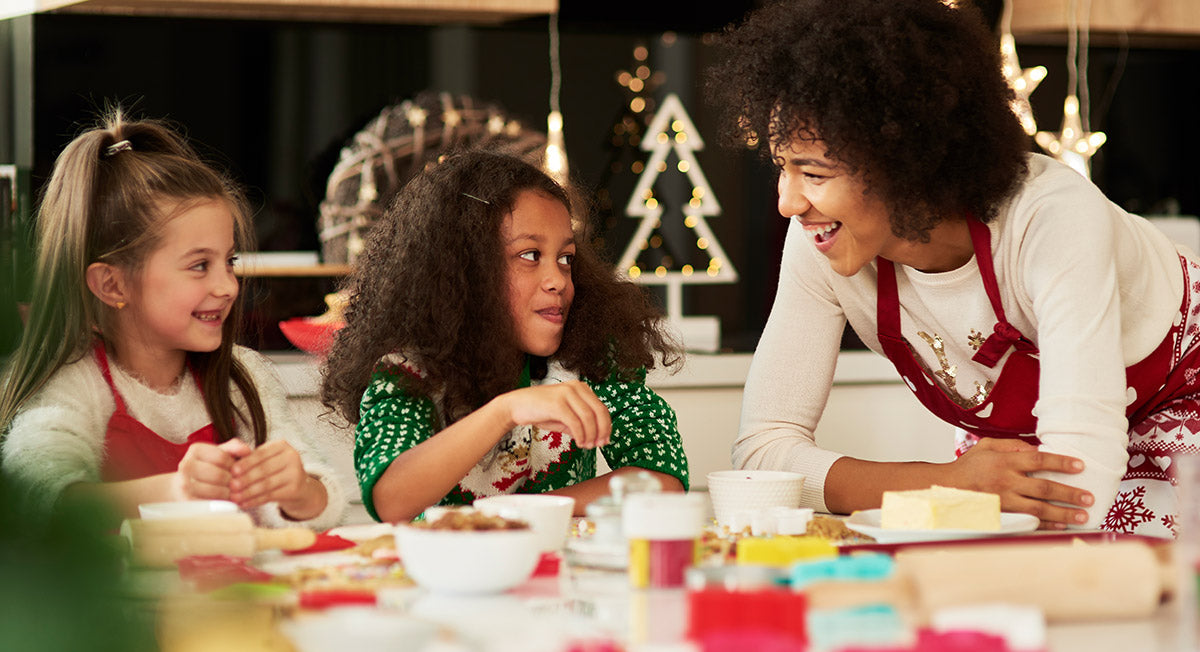
Organize a Christmas cookie workshop , offering adapted tasks such as kneading the dough (to work on motor coordination) or decorating with confetti ( using easy - to-handle tools).
6. Christmas Theatre for everyone
Adapt theatrical performances to include children with different needs. Use roles that value each child 's abilities , such as narration for those with good verbal expression or other roles for those who prefer less exposure.
7. Themed Cooperative Games
Replace competitions with cooperative games, such as assembling a "giant Christmas jigsaw puzzle" . where everyone can participate and get involved in the activity.
Another idea is to create a "gift chain," where each child helps pass the objects from one point to another.
8. Assembling the Inclusive Tree
Ask each child to contribute to decorating the tree, using adapted ornaments. For example, larger ornaments for those with motor difficulties or colorful and textured items for children with low vision.
Resources for Inclusive Activities
The importance of involving families.
Families are key players in the inclusion process. Encourage parents to participate in activities, offering support to children and promoting moments of togetherness. Furthermore, value the collaboration of families to better understand the specific needs of each child.
Conclusion
Including all children in Christmas celebrations is an opportunity to show that this festive season is, in fact , for everyone. By adopting activities and promoting a welcoming environment, we create moments of joy and belonging that reflect the true spirit of this time of year.
With creativity and empathy, it's possible to ensure that no child is left out, transforming the festivities into a learning experience of true inclusion and love.